


Boulderganic

A life less plastic
Part of the problem with plastic — as much as we enjoy clear plastic wraps, resealable food containers, and infant incubators — is that plastics, once created, don’t ever go away. Scientifically speaking, plastic polymers do not break down to their basic minerals, ...

Spring is here
Spring in Colorado comes with melting snow, precipitation and rushing stormwater. But impermeable surfaces like driveways, sidewalks and streets prevent the runoff from soaking...

eco-briefs | Week of March 13
Climate warming allows invasive species to invade alpine vegetation...
Passing of a giant
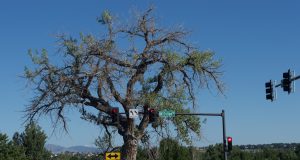
South 88th Street in Louisville is no different than the other roads veining through Boulder County.
There’s a fenced-in prairie stretching to the east. To...
Can planting trees make a city more equitable?
As the U.S. grapples with natural disasters and racial injustice, one coalition of U.S. cities, companies and nonprofits sees a way to make an...
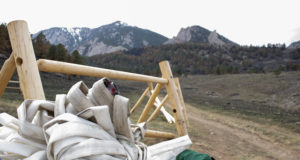
How forest management prevented the NCAR fire from being more destructive
Wind gusts blew up to 50 miles an hour the day the foothills near NCAR caught fire. Just a quarter-mile away from the flames...

CU Athletics wants water back in the Colorado
Every year the University of Colorado Boulder athletic department, CU Athletics, uses 12 million gallons of water in the locker rooms, keeping the fields...
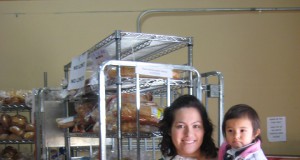
Hungry for a smarter food system
At 8:30 a.m. on a chilly December morning outside of Community Food Share, a local food bank just off of Highway 119, people of all shapes, sizes and colors line up with shopping carts waiting for the doors to open so they can acquire the groceries needed to feed ...

Breaking the ice without guilt
Shopping for the most responsible tools for our chores can be challenging unless a knowledgeable merchant is already ahead of the game...
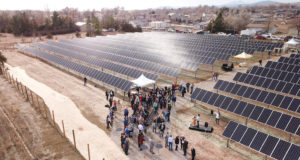
Gardens of the Sun
Among the rolling hills and sprawling neighborhoods of south Fort Collins, a new solar energy installation will not only provide renewable energy, but also...

The new DDT
It’s sprayed on crops, schoolyards, parking lots and possibly your yard. The World Health Organization says it probably causes cancer. It’s the world’s most-used herbicide and the active ingredient in Roundup: glyphosate...